
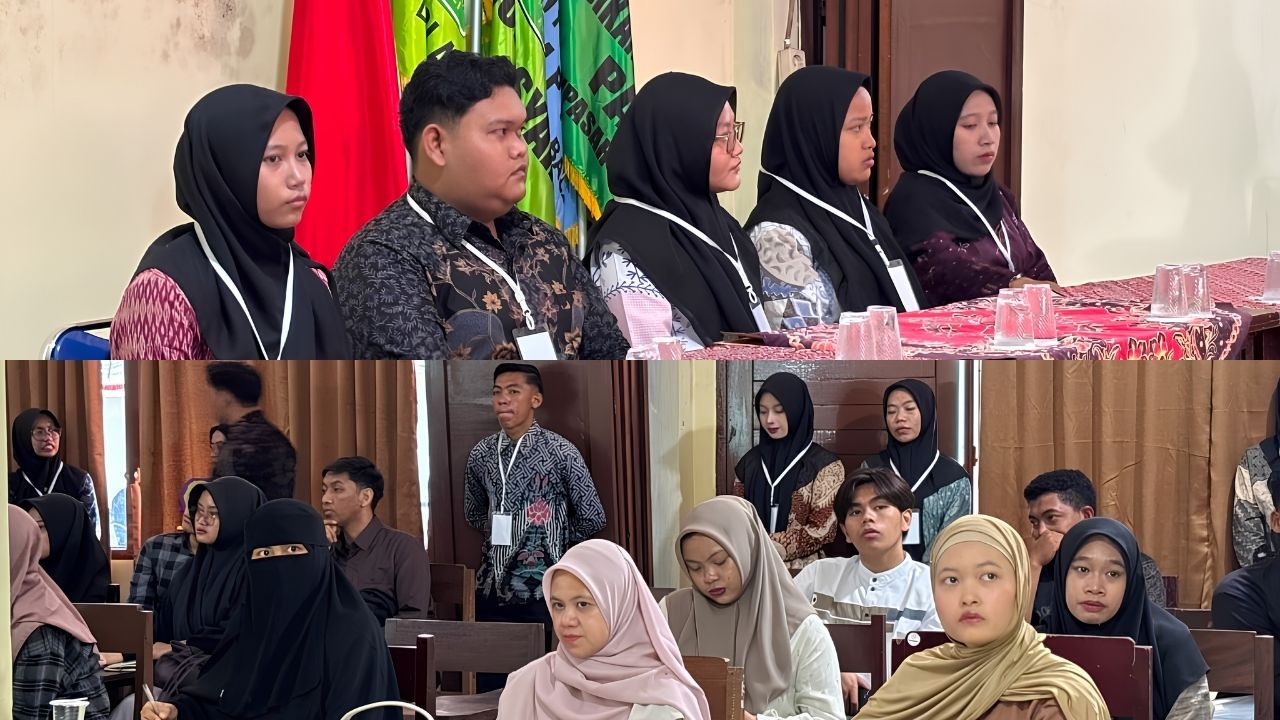
STAI Denpasar Bali – As part of its preparation for the 2026 New Student Academic and Cultural Orientation Program, known as Pengenalan Budaya Akademik (PBAK), STAI Denpasar Bali conducted a Technical Meeting to provide new students with essential information and guidance before the official implementation of the orientation program.
The Technical Meeting served as an important preparatory stage aimed at ensuring that participants understood the technical procedures, discipline, regulations, schedules, assignments, group arrangements, safety considerations, administrative requirements, and other preparations necessary for their participation in the program. Through this briefing, new students were introduced not only to the practical aspects of the upcoming activities but also to the values of responsibility, discipline, cooperation, preparedness, and respect that are important within academic life.
The activity involved members of the organizing committee in their respective roles. Durrotun Nasihah, Chairperson of SEMA, and Nadia Riski Amelia S., Student President (Presiden Mahasiswa/PRESMA), served as Persons in Charge. Nurin Nadia Izzatul Lillah was part of the Steering Committee, Salman Alfarisy served as part of the Discipline Commission, and Ajeng Fatya Rachmasari served as Chief Committee Chair.
The organizing structure supported the delivery of information and coordination required to prepare new students for the orientation program. The Technical Meeting emphasized the importance of clear communication between participants and the organizing committee so that all students could begin the program with a shared understanding of their responsibilities and the general procedures that would guide their participation.
One of the main areas discussed during the briefing was participant discipline and conduct. New students received guidance regarding attendance requirements and the importance of arriving according to the designated schedule. Punctuality was emphasized as part of students’ responsibility and as an important habit in adapting to the expectations of academic life.
The session also highlighted appropriate attitudes and communication during official activities. Participants were encouraged to maintain politeness, respect lecturers and committee members, communicate appropriately, and comply with regulations related to the use of mobile phones during official sessions. Guidance was also provided regarding prohibited or restricted items that could potentially disrupt safety, discipline, comfort, or the orderly implementation of the program.
Another important component of the Technical Meeting concerned the dress code and participant attributes required during the PBAK program. The organizing committee provided technical guidance to help students understand the standards of neatness, appropriateness, modesty, and discipline expected throughout the orientation activities.
Participants also received instructions concerning official identification attributes, including name tags or co-cards, based on the format and specifications determined by the committee. The briefing was intended to ensure that students understood the required preparations before the commencement of the program and could participate in an orderly and coordinated manner.
The Technical Meeting further provided information regarding individual and group assignments associated with the PBAK program. These preparations could include academic, reflective, religious, or group-based activities as determined by the organizing committee. New students were encouraged to prepare the necessary materials and complete their responsibilities in accordance with the guidance provided.
In addition to assignments, participants received information regarding essential personal equipment needed to support their participation, such as notebooks, writing materials, and other relevant necessities. Students were also encouraged to prepare personal worship equipment and other individual needs responsibly. The importance of environmentally responsible practices was also reflected in the encouragement for participants to bring reusable drinking bottles as part of efforts to reduce unnecessary reliance on single-use plastic.
To support effective communication and coordination, new students were organized into smaller groups. This structure was intended to facilitate interaction, teamwork, information sharing, and the implementation of activities throughout the orientation program. Designated student facilitators, senior students, or liaison personnel could assist participants with coordination, attendance, assignments, and other group-related information.
The group arrangement was also expected to help new students adapt more easily to the orientation environment. By participating in smaller groups, students could develop communication and cooperation while receiving important information through a more coordinated system.
The organizing committee also provided an overview of the general sequence of activities planned for the broader 2026 PBAK program. Participants received introductory information regarding the event rundown, major educational sessions, academic orientation, student activities, and other institutional components of the program.
The broader orientation process includes important areas of student development and academic introduction, such as national insight and civic awareness, religious moderation, the campus academic system, student organizations, leadership, and other educational and institutional topics. Guidance was also provided regarding general transitions between activities, including breaks, worship, meals, and other components necessary to support an orderly program flow.
The Technical Meeting additionally introduced preparations related to institutional songs, official songs, group chants, and other collaborative activities that may form part of the orientation experience. Where applicable, these preparations can support students in becoming familiar with institutional identity and collective activities within the campus environment.
Group-based activities were also presented as opportunities for students to develop teamwork, creativity, communication, enthusiasm, and a sense of belonging. Such activities are not merely intended as technical preparations but can also provide an initial opportunity for new students to interact with one another and begin developing collaborative relationships.
Compliance with established regulations was another important aspect of the briefing. The Technical Meeting emphasized that all participants are expected to follow the applicable rules throughout the PBAK program. Where violations occur, disciplinary guidance may be implemented by the organizing committee through educational and proportionate measures in accordance with the applicable regulations.
This approach places discipline within a developmental context. The objective is to encourage responsibility, punctuality, respect for collective rules, and awareness of the impact of individual behavior on the wider group. Students were therefore encouraged to understand discipline not simply as compliance with instructions, but as part of the process of developing accountability and maturity.
The briefing also clarified the importance of fulfilling participation and administrative requirements established for the completion of the PBAK program. Participants were informed of the need to meet applicable attendance expectations, complete designated assignments, and comply with the established regulations. The Technical Meeting provided an opportunity for students to understand the importance of completing the program and fulfilling relevant documentation or certification requirements in accordance with the committee’s provisions.
Health and safety preparedness also formed an important part of the information provided. Students with specific health needs were encouraged to communicate relevant information to designated committee members, group facilitators, or appropriate support personnel when necessary. Participants who require personal medication were advised to prepare and carry their essential medication responsibly.
This guidance emphasized the importance of preparedness, participant welfare, safety awareness, and effective communication. A well-prepared orientation program requires not only administrative and technical readiness but also attention to the individual needs and well-being of participants.
Digital communication was also recognized as an important element in supporting coordination before and during the PBAK program. Participants may receive important updates and announcements through official institutional, student organization, or committee communication channels. New students were encouraged to follow the appropriate channels to ensure that they receive accurate and timely information.
Where relevant to the implementation of the program, digital platforms may also support introductory content, social media engagement, and other communication initiatives. The emphasis of the briefing remained on the importance of relying on accurate information and following official communication channels rather than depending on unverified messages.
The Technical Meeting also addressed the importance of orderly transportation and parking arrangements around the campus environment. Participants received guidance regarding transportation procedures, appropriate parking practices, drop-off arrangements, and traffic discipline as applicable to the implementation of the program.
Students were encouraged to maintain order, comply with applicable traffic regulations, avoid inappropriate parking practices, and demonstrate consideration for the comfort and accessibility of others. Respect for the surrounding environment and community was emphasized as part of responsible participation in campus activities.
This principle is particularly relevant to the broader social context in which STAI Denpasar Bali carries out its educational activities. As an Islamic higher education institution operating within Bali’s multicultural environment, the institution encourages students to demonstrate good manners, mutual respect, tolerance, and responsible conduct toward the surrounding community.
Participants were encouraged to maintain appropriate behavior, respect local customs, avoid unnecessary disturbances, and ensure that student activities do not interfere with the comfort of nearby residents or communities. Student enthusiasm and active participation are expected to remain balanced with environmental awareness and social responsibility.
Within the broader educational mission of STAI Denpasar Bali, the Technical Meeting represents an important stage in preparing new students for their transition into academic life. Orientation is not only an opportunity to introduce students to campus activities but also a process through which they begin to understand academic culture, institutional values, discipline, communication, student life, and responsible participation within the university community.
Through clear preparation and coordination, STAI Denpasar Bali seeks to support a learning environment that is orderly, educational, respectful, inclusive, and attentive to the safety and development of students. The Technical Meeting therefore provided an important foundation for ensuring that new students approach the 2026 PBAK program with a shared understanding of expectations and responsibilities.
As the official implementation of the 2026 PBAK program approaches, the Technical Meeting is expected to support greater readiness among participants and strengthen coordination between new students and the organizing committee. With an understanding of the applicable procedures, preparations, and responsibilities, students are expected to participate actively while maintaining discipline, respect, cooperation, and responsibility.
The preparatory session ultimately reinforced that readiness for university life begins not only with academic preparation but also with the willingness to understand shared rules, respect others, communicate effectively, and contribute positively to the collective environment. Through this foundation, the new students of STAI Denpasar Bali are expected to enter the 2026 PBAK program with greater preparedness and a shared commitment to participating in the orientation process in an orderly, safe, respectful, and responsible manner.